Course DetailsHome / Courses Details
Introduction to Herbal Product Formulation
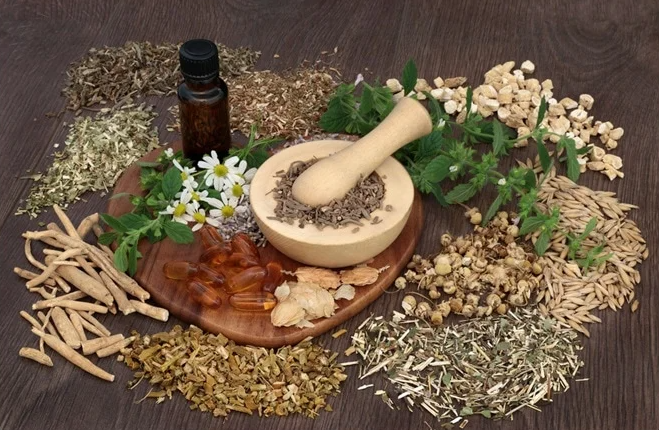
Herbal product formulation is the process of blending plant-based ingredients to create remedies that support health and wellness. These products may range from teas and tinctures to skincare items, supplements, and dietary solutions. The formulation process involves selecting the right herbs, determining the appropriate dosage, and ensuring the product's safety and effectiveness.
1. What is Herbal Product Formulation?
2. Importance of Herbal Product Formulation
3. Key Components in Formulation
4. Types of Herbal Products
5. Steps in Herbal Product Formulation
6. Safety Considerations
7. Ethical and Sustainable Practices
8. The Benefits of Herbal Product Formulation
1. Foundational Understanding of Herbalism:
- Basic Knowledge of Herbs:
- Familiarity with the concept of using plant-based ingredients for health and wellness.
- General awareness of different plant parts used in herbal remedies (roots, leaves, flowers, seeds, bark).
- Appreciation for Natural Healing:
- An interest in harnessing the power of nature to promote well-being.
- Understanding the concept of natural remedies as alternatives to synthetic products.
- Interest in Traditional Knowledge:
- A willingness to learn about and respect traditional herbal medicine practices.
2. Basic Understanding of Product Types and Applications:
- Awareness of Common Herbal Products:
- Familiarity with various forms of herbal products, such as teas, tinctures, capsules, ointments, and essential oils.
- Basic understanding of the general applications of these product types.
- Understanding of basic dosage concepts:
- Knowing that different products have different dosages.
3. Interest in Safety and Ethical Considerations:
- Awareness of Safety Concerns:
- A general understanding that herbal products can have potential side effects or interactions.
- An interest in learning about safe dosage and usage.
- Appreciation for Sustainability:
- An interest in environmentally responsible sourcing and production of herbal ingredients.
- An understanding of the concept of ethical harvesting.
4. Willingness to Learn and Engage:
- Openness to Research and Planning:
- A willingness to engage in research and planning to understand therapeutic goals and select appropriate herbs.
- Commitment to Quality:
- An interest in learning about quality control and ensuring the safety and effectiveness of herbal products.
- Desire for Innovation:
- An interest in blending traditional knowledge with modern innovation.
Available on student dashboard.